30 Fascinating Biology Trivia and Answers
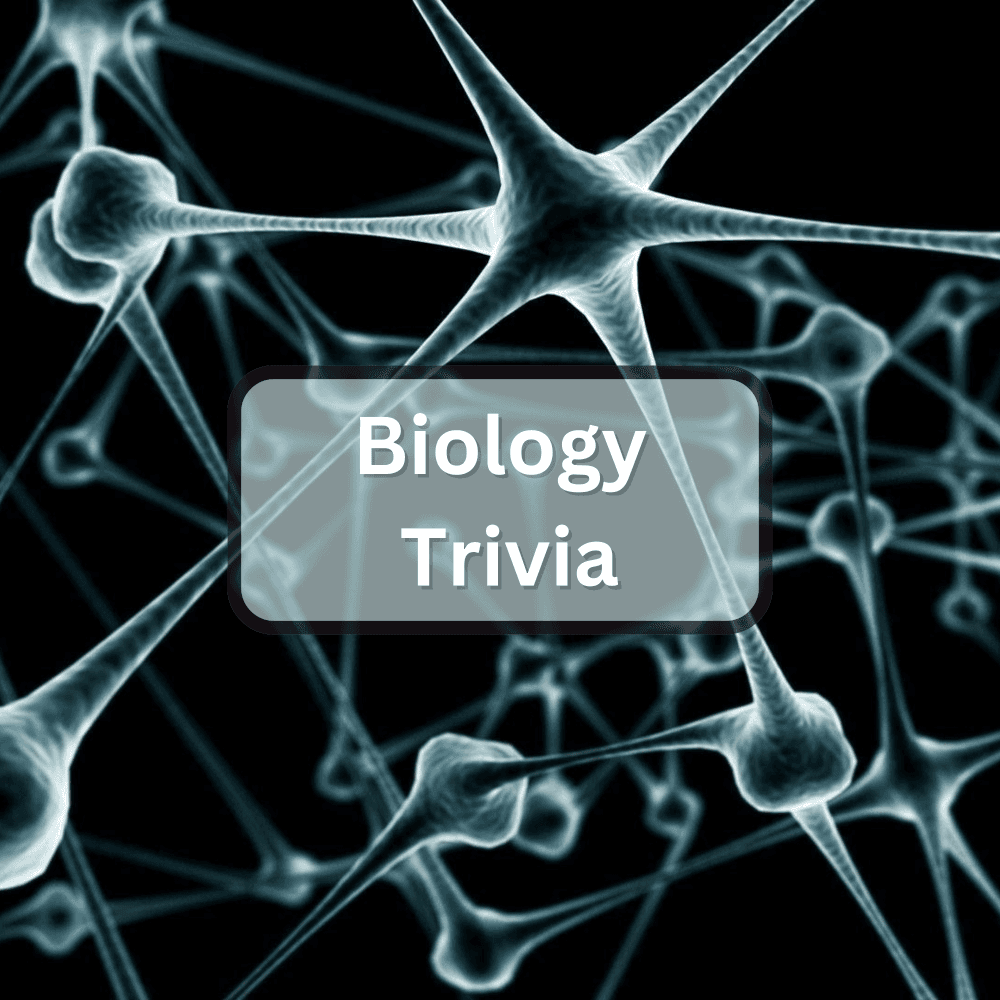
Dive into the fascinating world of life sciences with this exciting collection of Biology trivia. From cell structures and genetics to animal behavior, plant life, and human anatomy, these questions are perfect for science enthusiasts and curious learners alike. Whether you're a student, educator, or trivia buff, this set will put your biology knowledge to the test.
1What percentage of human DNA is identical to that of a chimpanzee?
2Which molecule carries genetic information from DNA to the site of protein synthesis?
3What is the name of the process by which cells divide to produce gametes in sexually reproducing organisms?
4How many chromosomes are in a typical human cell?
5Which organelle is known as the “powerhouse of the cell”?
6What is the main function of ribosomes in a cell?
7Which type of cells do not have a nucleus: prokaryotic or eukaryotic?
8What type of microorganism is responsible for causing tuberculosis?
9What is the largest organ in the human body?
10What structure in the brain controls balance and coordination?
11What is the term for the smallest blood vessels in the body?
12Which human organ can regenerate itself if a part of it is removed?
13What type of symbiotic relationship exists between fungi and algae in lichens?
14What is the name of the phenomenon where certain animals can regrow lost body parts, such as a salamander regrowing a limb?
15What is the term for the process by which organisms better adapted to their environment tend to survive and reproduce?
16What term describes a species that has a disproportionately large impact on its ecosystem, such as wolves in Yellowstone?
17What pigment gives plants their green color and is essential for photosynthesis?
18What process do plants use to convert sunlight into chemical energy?
19What part of a plant is responsible for absorbing water and nutrients from the soil?
20Which plant hormone is responsible for fruit ripening and is often used commercially to speed up the ripening process?
21What is the term for an organism's complete set of DNA, including all of its genes?
22Which enzyme is responsible for unzipping the DNA double helix during replication?
23What is the only bone in the human body that is not connected to any other bone?
24What part of the human eye is responsible for controlling the size of the pupil?
25What organ in the human body is primarily responsible for detoxifying chemicals and metabolizing drugs?
26Which process involves organisms developing similar traits independently due to similar environmental pressures, rather than shared ancestry?
27What is the term for the gradual increase in the Earth's average surface temperature due to human activities?
28What type of organism causes malaria, and what is its primary vector?
29What disease, caused by a deficiency of vitamin C, affected sailors during long voyages in history?
30What type of plant structure do gymnosperms, such as pine trees, use to reproduce instead of flowers?
Answer Key
- 1. Approximately 98%
- 2. mRNA (messenger RNA)
- 3. Meiosis
- 4. 46
- 5. Mitochondria
- 6. Protein synthesis
- 7. Prokaryotic
- 8. Bacteria (Mycobacterium tuberculosis)
- 9. Skin
- 10. Cerebellum
- 11. Capillaries
- 12. Liver
- 13. Mutualism
- 14. Regeneration
- 15. Natural selection
- 16. Keystone species
- 17. Chlorophyll
- 18. Photosynthesis
- 19. Roots
- 20. Ethylene
- 21. Genome
- 22. Helicase
- 23. Hyoid bone
- 24. Iris
- 25. Liver
- 26. Convergent evolution
- 27. Global warming
- 28. Protozoan parasite, transmitted by Anopheles mosquitoes
- 29. Scurvy
- 30. Cones