28 Jaw-Dropping Dangerous Animals in Australia Trivia Questions and Answers
Welcome to the Dangerous Animals in Australia Trivia post, your guide to discovering the thrilling and often jaw-dropping world of Australia’s wildlife!
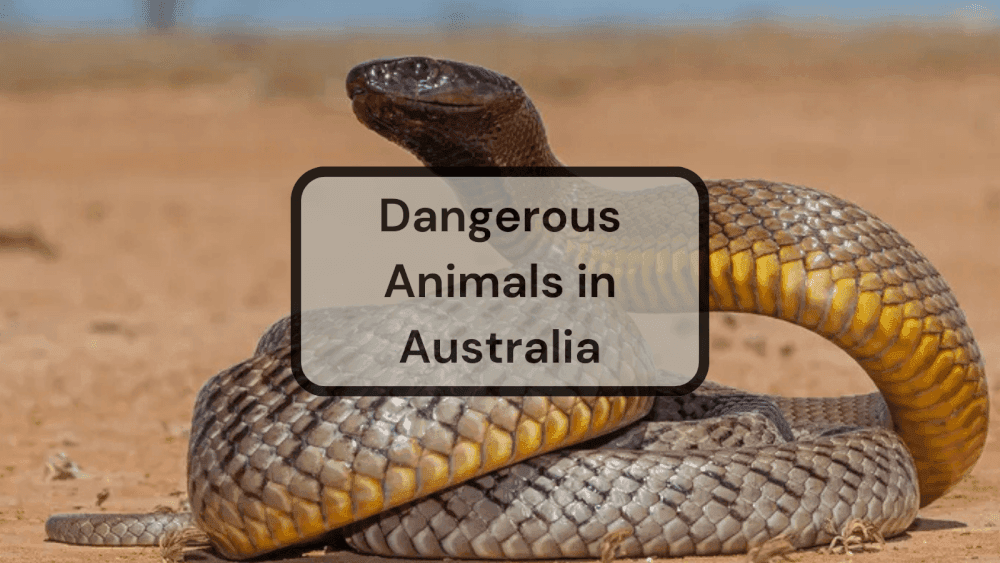
1Which Dangerous Australian snake is considered the most venomous in the world?
2What is the primary diet of the inland taipan?
3Which of the dangerous animals in australia is responsible for the most snakebite fatalities in Australia?
4What is the typical habitat of the eastern brown snake?
5Which marine creature in Australian waters is known for its highly venomous sting?
6During which months are box jellyfish most commonly encountered in Australian waters?
7What is the common name of the large crocodile species found in northern Australia?
8How long can saltwater crocodiles grow?
9Which spider in Australia has a venomous bite that can be fatal if untreated?
10What is the recommended first aid for a funnel-web spider bite?
11Which octopus species found in Australian waters carries enough venom to kill multiple humans?
12What distinctive feature identifies the blue-ringed octopus?
13Which fish, common in Australian coastal waters, has venomous spines that can cause severe pain?
14Where are stonefish typically found?
15Which large bird native to Australia is known for its powerful and potentially dangerous kick?
16In which part of Australia are cassowaries primarily found?
17Which small marine creature found in Australian waters can cause Irukandji syndrome?
18What are common symptoms of Irukandji syndrome?
19Which Australian snake is known for its aggressive behavior and potent venom?
20What is the preferred habitat of the coastal taipan?
21Which Australian spider has a red stripe on its back and a venomous bite?
22What is the typical treatment for a redback spider bite?
23Which marine snail found in Australian waters has a venomous harpoon-like tooth?
24What should be done if stung by a cone snail?
25Which Australian lizard is known for its frill around the neck and can exhibit aggressive displays?
26Where is the frill-necked lizard commonly found?
27Which Australian mammal is known to have a venomous spur on its hind limbs?
28What effect does the platypus's venom have on humans?
Answer Key
- 1. The inland taipan (Oxyuranus microlepidotus) is regarded as the most venomous snake globally.
- 2. The inland taipan primarily preys on rodents.
- 3. The eastern brown snake (Pseudonaja textilis) accounts for the majority of snakebite deaths in Australia.
- 4. Eastern brown snakes are commonly found in farmlands, forests, and urban areas across eastern Australia.
- 5. The box jellyfish (Chironex fleckeri) is notorious for its potent venom.
- 6. Box jellyfish are typically found from November to May in northern Australian waters.
- 7. The saltwater crocodile (Crocodylus porosus) is prevalent in northern Australia.
- 8. Saltwater crocodiles can reach lengths of up to 7 meters (23 feet).
- 9. The Sydney funnel-web spider (Atrax robustus) has a venomous bite that can be deadly without treatment.
- 10. Applying a pressure immobilization bandage and seeking immediate medical attention is advised.
- 11. The blue-ringed octopus (genus Hapalochlaena) possesses venom potent enough to kill several people.
- 12. It is characterized by its bright blue rings that become more vibrant when threatened.
- 13. The stonefish (genus Synanceia) has venomous spines capable of inflicting intense pain.
- 14. Stonefish often inhabit shallow coastal waters and can camouflage themselves among rocks and coral.
- 15. The cassowary (genus Casuarius) is known for its strong legs and can deliver dangerous kicks.
- 16. Cassowaries are mainly found in the tropical rainforests of northern Queensland.
- 17. The Irukandji jellyfish (Carukia barnesi) can cause this syndrome.
- 18. Symptoms include severe pain, nausea, vomiting, and, in severe cases, cardiac complications.
- 19. The coastal taipan (Oxyuranus scutellatus) is recognized for its aggression and highly toxic venom.
- 20. Coastal taipans favor sugarcane fields, woodlands, and grassy areas in northern and eastern Australia.
- 21. The redback spider (Latrodectus hasselti) is identifiable by the red stripe on its back.
- 22. Applying ice packs to reduce pain and seeking medical attention; antivenom is available if necessary.
- 23. The cone snail (genus Conus) uses a venomous harpoon to capture prey.
- 24. Seek immediate medical attention, as their venom can be life-threatening.
- 25. The frill-necked lizard (Chlamydosaurus kingii) displays a frill around its neck when threatened.
- 26. It inhabits northern Australia, favoring tropical and warm temperate forests and savannah woodlands.
- 27. The male platypus (Ornithorhynchus anatinus) has venomous spurs on its hind legs.
- 28. While not lethal, the venom can cause severe pain and swelling in humans.