What the First Thanksgiving Actually Looked Like
Everything we know first-hand about the 1621 feast fits in one paragraph of a letter. Venison, not turkey; no pie; and nobody called it Thanksgiving.
Everything we know first-hand about the first Thanksgiving, held at Plymouth in the autumn of 1621, fits in one paragraph of a letter. Edward Winslow wrote it that December. The governor sent four men out fowling, and they came back with enough birds to feed the colony for nearly a week. The Wampanoag leader Massasoit arrived with some ninety men, and for three days the two groups ate together. The Wampanoag went out and killed five deer. That's the whole record. No turkey by name, no pie, no buckle on anyone's hat.
Nearly everything else on your table in November showed up later, most of it in the 1800s. A footnote, a lost manuscript and one very determined magazine editor turned a three-day harvest party into a founding myth. The real event is stranger than the school-play version, and how it got rewritten is better still.
What was actually on the table
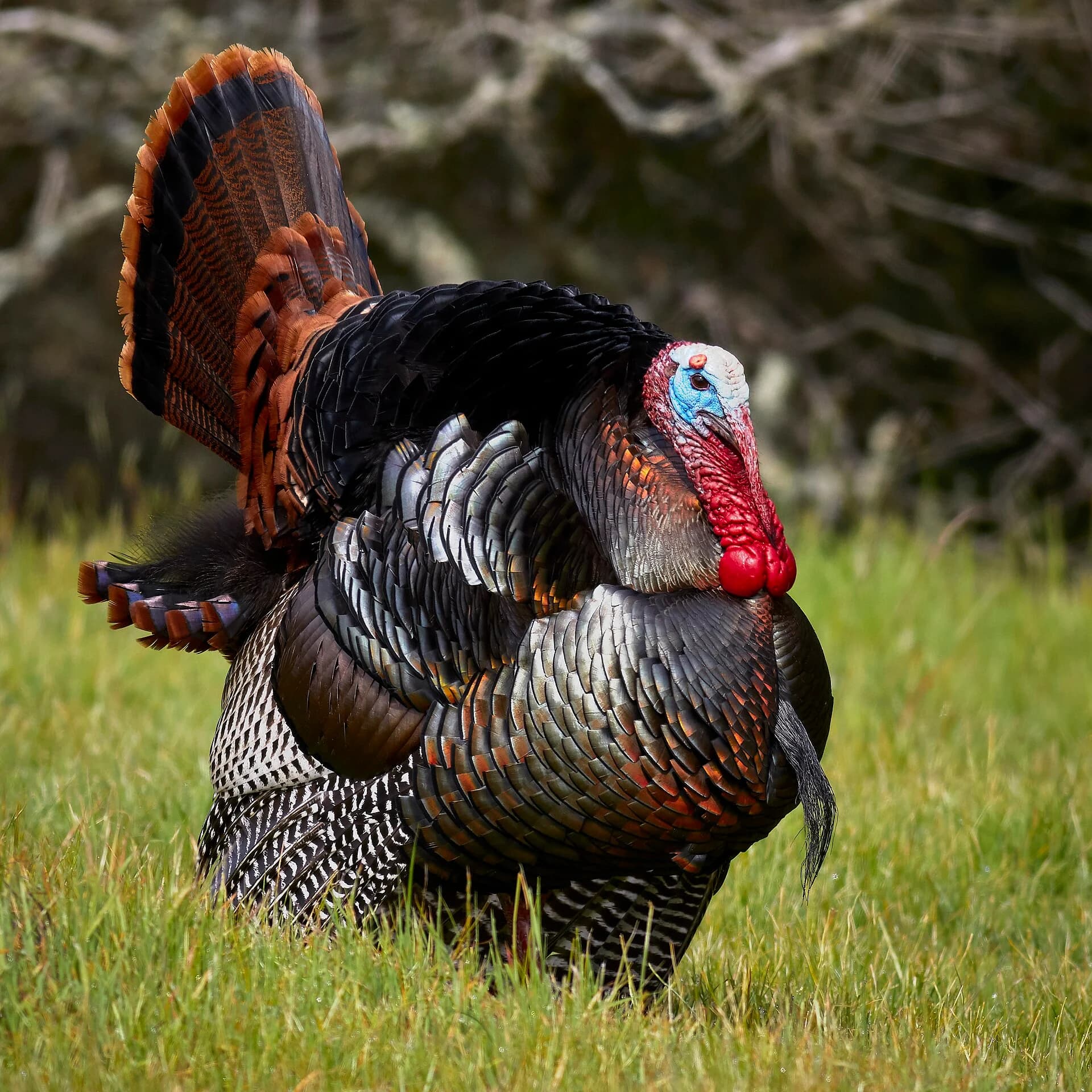
Winslow names two things: fowl and venison. In 1621 "fowl" meant ducks, geese and whatever else four men with muskets could bring down in a day. Wild turkey may well have been among them. Winslow just never says so. The five deer were the Wampanoag's contribution, and if the meal had a centerpiece, that was it.
Historians at Plimoth Patuxet, the living-history museum at Plymouth, fill in the rest from what the colony had that autumn. There was corn, which the colonists had planted that spring with help from Tisquantum, ground for bread or porridge. Shellfish and eels came from the shore, and there were probably squash and beans. The list of what was missing is longer. No potatoes of either kind. No cranberry sauce, because the Mayflower's sugar was nearly gone. And no pumpkin pie: no oven, and no butter or wheat flour for a crust.
It also wasn't a thanksgiving, not to the people who held it. For the Plymouth separatists, a thanksgiving was a religious day of prayer and sermons, sometimes with fasting, set aside for one specific mercy. Three days of eating, games and guests was a harvest celebration. By Winslow's account there was a show of musket fire too. They held a real thanksgiving in 1623, when rain broke a summer drought, and it looked nothing like dinner.
The guests outnumbered the hosts
Massasoit's ninety men outnumbered the English almost two to one. Of the 102 passengers who sailed on the Mayflower, about half died in the first winter, which left roughly fifty colonists at the feast. The ship's name is the easy question in our American history trivia. The harder one is how few of its passengers were still alive to eat that autumn.
The two peoples had signed a mutual-defense treaty that March, and it held for over fifty years, until King Philip's War broke it in 1675. "King Philip" was the English name for Metacom, Massasoit's own son. Even the friendliest version of the 1621 story has that sequel, and it rarely makes the school play.
How turkey got the job
The turkey owes its promotion partly to a book that went missing for most of a century. William Bradford, the colony's governor, wrote a history of Plymouth that mentions the autumn of 1621 directly. Besides waterfowl, he wrote, there was "great store of wild turkeys, of which they took many." The manuscript vanished from Boston during the Revolution, turned up in the Bishop of London's library at Fulham Palace, and wasn't printed until 1856. Bradford was describing the season, not the feast. But once his sentence was in circulation, it was easy to read his account alongside Winslow's and put the bird on the table.
The name came first. In 1841 a Boston minister named Alexander Young reprinted Winslow's letter in his Chronicles of the Pilgrim Fathers and added a footnote under the harvest passage: this was the first Thanksgiving. It's the earliest known use of the label for the 1621 event. Young was reading the holiday of his own day back into the Pilgrims' year. By then it was a New England fixture, roast bird included.
That bird got there through Sarah Josepha Hale. Her 1827 novel Northwood gave a whole chapter to a New England Thanksgiving dinner, with the roasted turkey "placed at the head of the table." As editor of Godey's Lady's Book, she then spent seventeen years writing to presidents and governors to make the day national. On September 28, 1863, she wrote to Abraham Lincoln, and five days later he proclaimed the last Thursday of November a national day of thanksgiving. That's the Lincoln answer in our November trivia questions. The footnote to it: Hale didn't tie her holiday to the Pilgrims in print until 1865, two years after she'd already won.
The usual explanation for why turkey stayed on the table is plain farm sense. It's native to the continent and big enough to feed a crowd. And unlike a laying hen or a milk cow, it was worth more on a platter than alive in the yard. A family could give one up for one dinner a year without missing anything the next morning.
Even the date was a fight
Lincoln's last Thursday lasted until 1939. That year November had five Thursdays, so the last one fell on the 30th. Retailers, still climbing out of the Depression, warned Franklin Roosevelt that twenty-four shopping days before Christmas weren't enough, and he moved the holiday up a week. The mayor of Atlantic City called it Franksgiving. Twenty-three states and Washington, D.C. went along with Roosevelt and twenty-two refused. Colorado, Mississippi and Texas took both days off. A Gallup poll found Americans opposed, 62 percent to 38.
In December 1941 Congress gave up and fixed the holiday on the fourth Thursday, starting in 1942. Usually that's the last Thursday too; in a five-Thursday November it isn't. The shopping argument never went away. It just moved to the following day, which is where our Black Friday trivia questions pick up the story.
Bringing it to the table
If you want to see how much of this holds up in a dinner-table argument, our Thanksgiving trivia questions have ninety rounds of it. Expect Winslow's venison, Hale's seventeen-year campaign, the Franksgiving split, and the Wampanoag man who walked into Plymouth and greeted the colonists in English before anyone had said a word to him.
One last thing. The 1621 version is easier to recreate than the modern one, and a lot less work. Bring venison, invite more guests than you have chairs for, keep it going for three days, and leave out the pie. The only part that's hard to copy is the one nobody wrote down: what the ninety guests made of it all.