State Birds: Seven Cardinals, Six Meadowlarks and a Gull That Saved a Harvest
All 50 state birds from Alabama to Wyoming, with the year each was adopted, and the stories behind the picks: a gull that saved a harvest, five failed candidates in Minnesota and two states that chose a chicken.
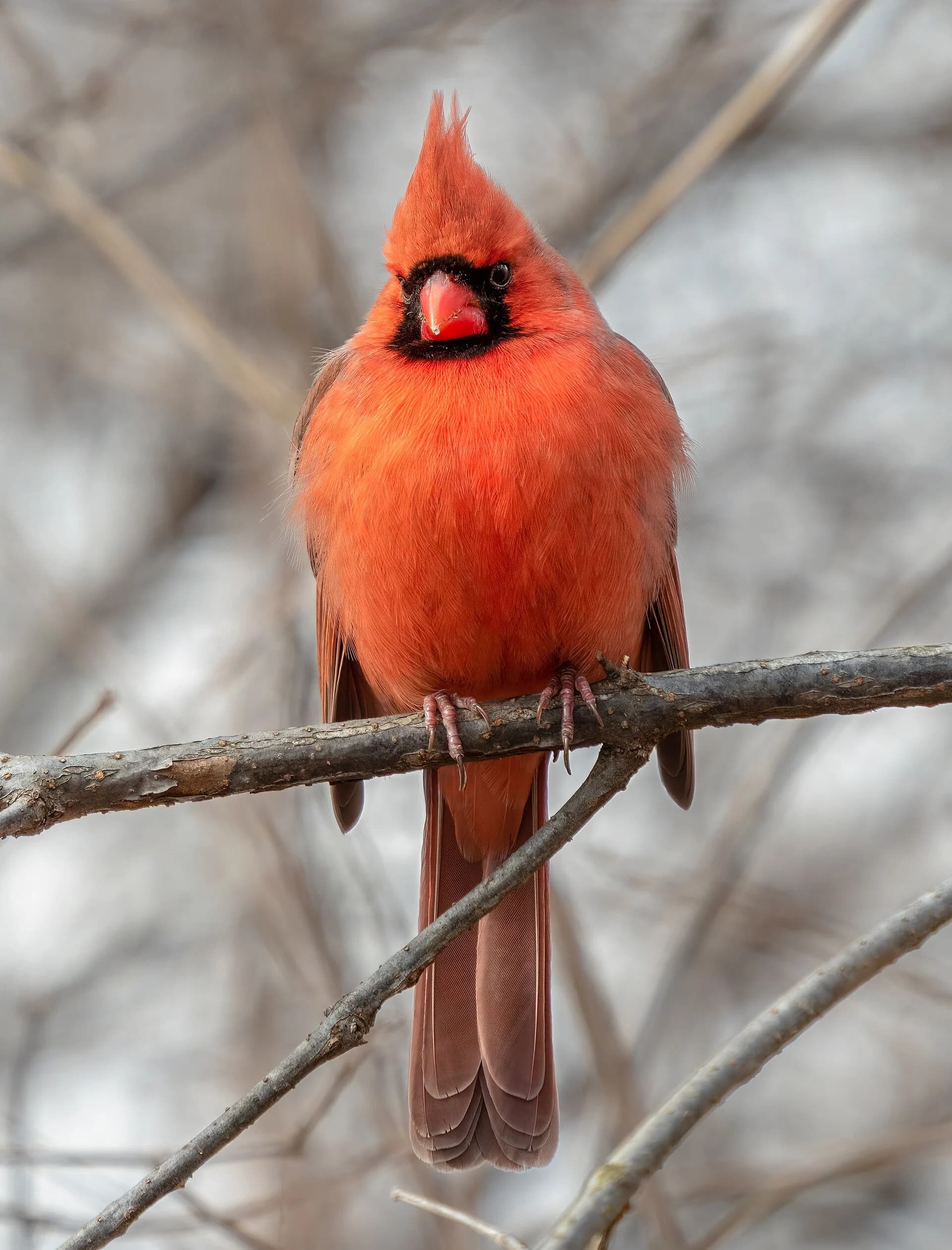
Seven states picked the northern cardinal. Six picked the western meadowlark. Five went with the northern mockingbird, which is a lot of states agreeing on a bird whose party trick is imitating other birds. The rest of the 50 state birds are stranger, and the stories behind them are better than the list.
The full list, with the year each bird became official, is at the bottom. First, the patterns and the oddballs.
The gull that saved a harvest
Utah's state bird is a gull, in a state with no ocean. In the summer of 1847 the pioneers planted crops in the Salt Lake Valley, and by 1848 millions of insects were eating the wheat, corn and vegetables. Then California gulls arrived from the direction of the Great Salt Lake and ate for weeks, which saved the harvest.
The gratitude was durable. The Seagull Monument went up on Temple Square in 1913, and in 1955 the Utah Legislature made the California gull the state bird. There's more of this kind of local lore in our Utah trivia questions.
Minnesota auditioned five birds before the loon
Minnesota's legislators tried the eastern goldfinch in 1947, the mourning dove in 1951, the pileated woodpecker in 1951 and 1953, the scarlet tanager in 1951 and the wood duck in 1951. None passed. The loon bill of 1961, written by Senator Norman Walz and Representative Loren Rutter, was signed by Governor Elmer L. Andersen.
It was the right call. The loon's wail is the sound of a northern lake at dusk, and the state has plenty of those. Our Minnesota trivia questions go deeper on the land of lakes.
Two states chose a chicken
Delaware's General Assembly passed a one-sentence act, approved on April 14, 1939, declaring the "Blue Hen Chicken" the official bird of the state. Rhode Island followed in 1954 with the Rhode Island Red, a breed of chicken rather than a wild species. Nobody can accuse either state of picking a bird that won't turn up at a farm supper.
Maine and Massachusetts agree on the chickadee
Maine's legislature adopted the chickadee in 1927, and the Secretary of State's kids' page describes the black-capped chickadee as a common sight in the woods and at backyard feeders throughout the state. Massachusetts chose the black-capped chickadee outright in 1941. For another Maine oddity, see how the state handled its flower in our state flowers article.
Who shares what
Nine birds are claimed by more than one state:
- Northern cardinal: Illinois, Indiana, Kentucky, North Carolina, Ohio, Virginia and West Virginia.
- Western meadowlark: Kansas, Montana, Nebraska, North Dakota, Oregon and Wyoming.
- Northern mockingbird: Arkansas, Florida, Mississippi, Tennessee and Texas.
- American robin: Connecticut, Michigan and Wisconsin.
- Eastern goldfinch: Iowa and New Jersey, with Washington choosing a western subspecies, the willow goldfinch.
- Mountain bluebird: Idaho and Nevada.
- Eastern bluebird: Missouri and New York.
- Chickadee: Maine and Massachusetts.
- Chickens: Delaware and Rhode Island.
If you'd like to test yourself on the birds themselves, our bird trivia questions are a good place to start, and the state trivia questions cover the rest of each state's symbols and history.
All 50 state birds, A to Z
Each entry gives the state, its bird and the year it became official:
- Alabama: Yellowhammer (northern flicker), 1927.
- Alaska: Willow ptarmigan, 1955.
- Arizona: Cactus wren, 1931.
- Arkansas: Northern mockingbird, 1929.
- California: California quail, 1931.
- Colorado: Lark bunting, 1931.
- Connecticut: American robin, 1943.
- Delaware: Blue Hen Chicken, 1939.
- Florida: Northern mockingbird, 1927.
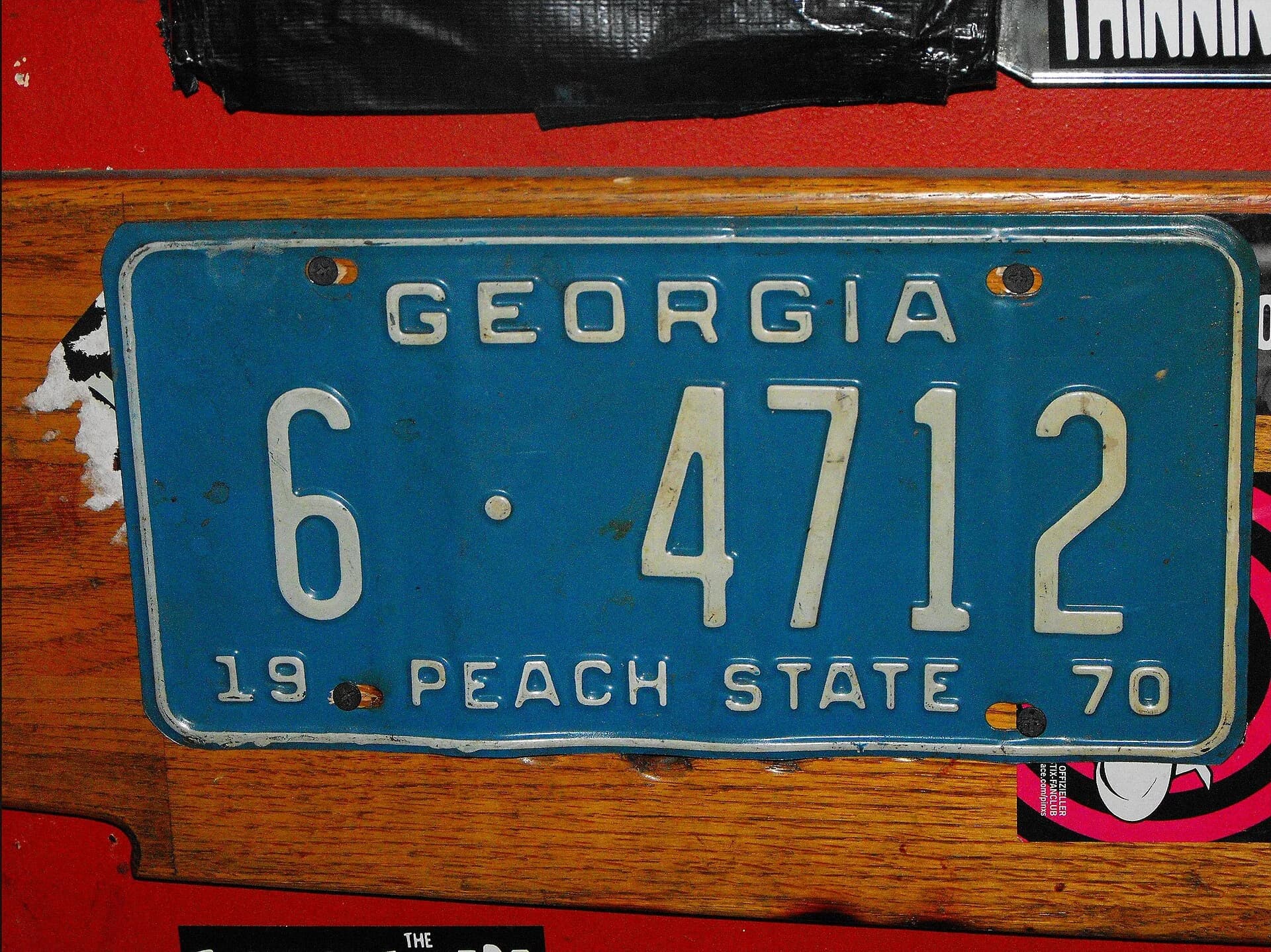
- Georgia: Brown thrasher, 1928.
- Hawaii: Nene (Hawaiian goose), 1957.
- Idaho: Mountain bluebird, 1931.
- Illinois: Northern cardinal, 1929.
- Indiana: Northern cardinal, 1933.
- Iowa: Eastern goldfinch, 1933.
- Kansas: Western meadowlark, 1933.
- Kentucky: Northern cardinal, 1926.
- Louisiana: Brown pelican, 1966.
- Maine: Chickadee, 1927.
- Maryland: Baltimore oriole, 1947.
- Massachusetts: Black-capped chickadee, 1941.
- Michigan: American robin, 1931.
- Minnesota: Common loon, 1961.
- Mississippi: Northern mockingbird, 1944.
- Missouri: Eastern bluebird, 1927.
- Montana: Western meadowlark, 1941.
- Nebraska: Western meadowlark, 1929.
- Nevada: Mountain bluebird, 1967.
- New Hampshire: Purple finch, 1957.
- New Jersey: Eastern goldfinch, 1935.
- New Mexico: Greater roadrunner, 1949.
- New York: Eastern bluebird, 1970.
- North Carolina: Northern cardinal, 1943.
- North Dakota: Western meadowlark, 1947.
- Ohio: Northern cardinal, 1933.
- Oklahoma: Scissor-tailed flycatcher, 1951.
- Oregon: Western meadowlark, 1927.
- Pennsylvania: Ruffed grouse, 1931.
- Rhode Island: Rhode Island Red (a chicken breed), 1954.
- South Carolina: Carolina wren, 1948.
- South Dakota: Ring-necked pheasant, 1943.
- Tennessee: Northern mockingbird, 1933.
- Texas: Northern mockingbird, 1927.
- Utah: California gull, 1955.
- Vermont: Hermit thrush, 1941.
- Virginia: Northern cardinal, 1950.
- Washington: Willow goldfinch, 1951.
- West Virginia: Northern cardinal, 1949.
- Wisconsin: American robin, 1949.
- Wyoming: Western meadowlark, 1927.
Pennsylvania's ruffed grouse is listed as the state game bird. Louisiana's bird is the eastern brown pelican, and Alabama also has a separate state game bird, the wild turkey.
State nicknames are the other half of the identity puzzle, and they have their own odd backstories in our state nicknames piece.